

From Patient to Advocate: How Kate Landis Turned Her PANDAS Journey Into a Mission to Help Others
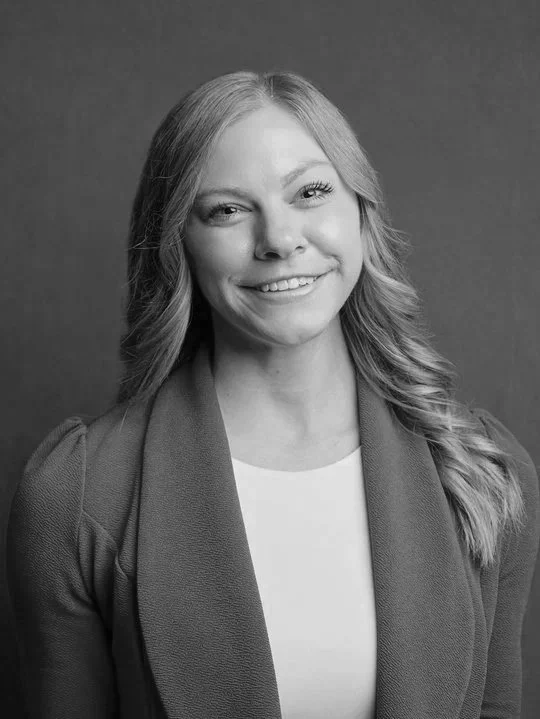
From Patient to Advocate: How Kate Landis Turned Her PANDAS Journey Into a Mission to Help Others
For many children, a PANDAS or PANS diagnosis becomes part of their story.
For some, it also becomes their purpose.
Today, as a doctoral student in Clinical Psychology, the Research Committee Leader for the National PANS/PANDAS Youth Alliance (NPYA), the Youth Advisory Council Lead for the Brain Inflammation Collaborative, a founding member of the Look. Ahead Council, and the Florida Team Captain for the 2026 Look. Walk, Kate Landis is helping shape the future of PANDAS/PANS awareness, research, and support.
What began as a personal medical journey has evolved into a commitment to ensuring that other children and families find answers sooner and feel less alone along the way.
The Moment Advocacy Became Personal
Like many young people who have experienced PANDAS, Kate could have viewed her diagnosis as simply something she overcame.
Instead, one unexpected moment showed her the impact her story could have on others.
In eighth grade, she completed a science fair project examining whether certain personality traits might influence susceptibility to developing PANDAS. After presenting her project at multiple competitions, she learned that one of the judges, a school guidance counselor, had recently worked with a child experiencing sudden behavioral changes following a strep infection.
Remembering the project, the counselor researched PANDAS and shared the information with the family. The child was later diagnosed and received appropriate treatment.
"This story brought me to tears, and I realized in that moment that my experience could be used to advocate for others and help children get accurate diagnoses and treatment."
From that point forward, she knew she wanted to dedicate her education and career to helping others facing similar challenges.
Finding Community Through the Look. Foundation
For much of her childhood, Kate did not know anyone else living with PANDAS or PANS.
"I felt very alone," she says.
Discovering organizations like the Look. Foundation changed that.
Today, Kate serves as the Florida Team Captain for the 2026 Look. Walk and is a founding member of the Look. Ahead Council, a new initiative created to bring together teens and young adults who have experienced PANS/PANDAS and want to give back in thoughtful, sustainable, and empowering ways.
Rooted in hope, honesty, compassion, and connection, the council provides young adults with an opportunity to support one another, share their perspectives, and help shape the future of advocacy, awareness, and community-building efforts at the Look. Foundation.
"Being part of the Look. team means that I have an opportunity to help children with PANDAS/PANS and their families feel less alone."
Hearing the experiences of others has also deepened her understanding of how fortunate she was to receive an early diagnosis and treatment.
"I have learned how influential an early diagnosis and treatment was for me, and how the lack thereof has affected others. This realization has motivated me more to advocate for children with PANDAS/PANS and their families so that they can receive an early and accurate diagnosis and treatment."
Bringing Lived Experience Into Clinical Psychology
Today, Kate is pursuing her PhD in Clinical Psychology at Nova Southeastern University with the goal of working with children and adolescents affected by PANDAS and PANS.
Her lived experience provides one perspective. Her academic training has added another.
Through research projects, presentations, and coursework focused on PANDAS/PANS, she has gained a deeper understanding of the biological mechanisms, barriers to treatment, and gaps in current research.
"While my lived experience helped me understand aspects of the social and medical experience of a child living with PANDAS, this academic lens has given me a broader understanding of these issues and has helped me understand PANDAS in a national/global context."
Together, these perspectives have strengthened her commitment to improving both awareness and care.
The Importance of Research That Includes Patient Voices
As Research Committee Co-Lead for NPYA, Kate helps bring together researchers, advocates, and young people living with PANDAS and PANS.
She believes lived experience plays a critical role in shaping meaningful research.
One misconception she hopes to change is the idea that PANDAS/PANS is either purely medical or purely psychiatric.
"A misconception that I think exists about PANDAS/PANS is that it is solely a medical or solely a psychiatric disorder, and, therefore, the best treatment is only through one of these facets. In reality, the cause of PANDAS/PANS is medical, and yet many of the symptoms are psychological, and existing research has shown that a combination of medical and psychological treatment can be more effective."
As a future psychologist, she hopes to increase awareness within the mental health community and encourage providers to consider both aspects of care when supporting patients.
Research Questions That Matter to Families
When asked what study she would design if given the opportunity, her answer reflects a perspective often overlooked in research.
She wants to better understand the experiences of siblings and caregivers.
Having a twin sister, she knows firsthand that PANDAS impacts more than just the child who is diagnosed.
"I am interested and passionate about understanding not only how PANDAS impacts the child who is ill, but also the family members who are relating to and taking care of that child."
Her proposed study would examine the experiences of siblings and parents across the country, exploring topics such as anxiety, depression, caregiver burden, and family dynamics.
While existing research has documented significant stress among caregivers, she believes there is still much to learn about how families adapt, cope, and heal together.
Why Partnerships Matter
One reason Kate values organizations like the Look. Foundation is their ability to connect families, researchers, and clinicians.
She believes meaningful progress depends on collaboration across all three groups.
"I think the bridging of families, researchers and clinicians that the Look. Foundation provides is imperative in doing work that is accurate, influential, and reflective of the lived experience of PANDAS/PANS patients. In my opinion, all three of these groups need each other in order to bring about change and impact the lives of PANDAS/PANS families for the better."
That belief aligns closely with the Look. Foundation's mission to bridge gaps between medical professionals, researchers, advocates, and families while ensuring that patient voices remain at the center of the conversation.
Looking Ahead
Through her doctoral studies, leadership with NPYA and the Brain Inflammation Collaborative, her role as Florida Team Captain for the Look. Walk, and her involvement as a founding member of the Look. Ahead Council, Kate is helping ensure that the voices of young adults with lived experience remain part of the conversation as awareness, research, and advocacy continue to grow.
When she imagines the next five to ten years, her hope is simple.
Awareness.
She wants PANDAS and PANS to become conditions that pediatricians, psychologists, schools, and communities recognize and understand.
"PANDAS/PANS has always been a disorder that I have needed to explain to the majority of persons I talk to, even within my doctoral program in clinical psychology. I hope that I am not still giving the same spiel that I give now in five or ten years."
While she hopes to see advances in research, treatment access, and insurance coverage, she believes greater awareness is the foundation that makes all of those improvements possible.
Her own story serves as an example of what can happen when awareness leads to early diagnosis and treatment. She knows many families have experienced a very different journey.
Her goal is to help change that.
A Message to Other Young People
For young people whose lives have been impacted by PANDAS or PANS, Kate's advice is grounded in both experience and hope.
"Regardless of how PANDAS/PANS has impacted someone, they are more than the disorder, and there is a community of support for them."
She encourages young people to connect with the broader PANDAS/PANS community, whether through youth organizations, advocacy groups, or foundations like Look.
Most importantly, she encourages them to share their stories.
"The more often stories of PANDAS/PANS journeys are shared, the more awareness there is. Sharing your story can be intimidating or scary; however, with the support of PANDAS/PANS groups and organizations, it can be both an impactful experience for others and an empowering experience for the young person themselves."
Because every story shared creates another opportunity for someone to be seen, understood, and diagnosed sooner.
And sometimes, as Kate learned years ago, one story can change the course of another child's life.